
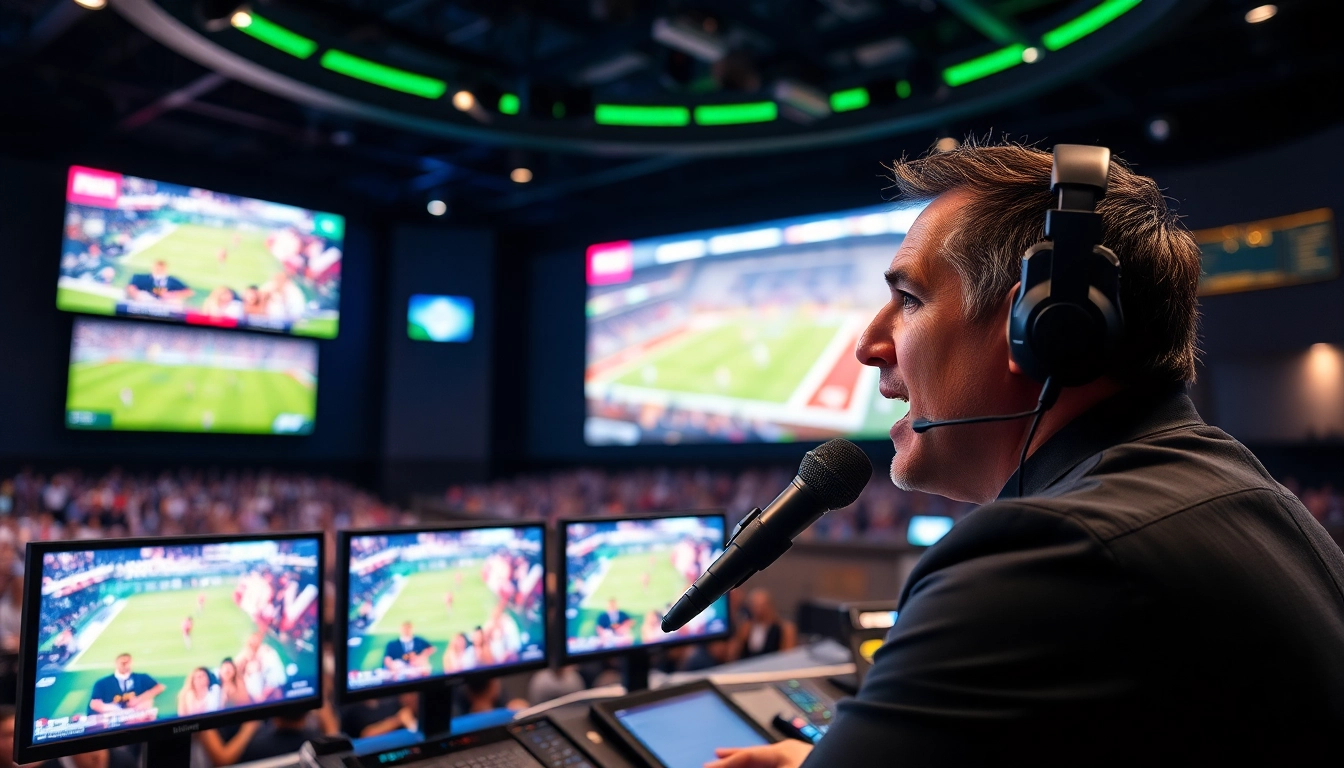
Introduction to Sports Broadcasting
What is Sports Broadcasting?
Sports broadcasting refers to the distribution of sports content—be it live or recorded—across various platforms like television, radio, and online channels. This fascinating field encompasses the commentating, presenting, and production of sports events, ultimately facilitating real-time engagement with audiences around the world. The essence of sports broadcasting lies in its ability to offer thrilling insights into games, player performances, and behind-the-scenes narratives that charm viewers. In the age of digital media, Sports Broadcasting plays a significant role in connecting fans with their favorite sports.
Historical Overview of Sports Broadcasting
The journey of sports broadcasting began in the early 20th century, with radio broadcasts of live sports events becoming popular. The introduction of television in the 1950s marked a significant turning point. Iconic broadcasts of events such as the Olympics and the World Series showcased the power of visual storytelling in sports. Over the decades, technological advancements led to the surge in satellite and cable broadcasts, paving the way for 24/7 sports networks. The digital revolution further transformed the landscape, introducing streaming services, social media, and mobile apps as essential platforms for broadcasting sports.
Importance of Sports Broadcasting Today
In today’s fast-paced world, sports broadcasting serves as more than just a source of entertainment; it functions as a vital cultural phenomenon. It connects disparate communities through shared experiences, fostering loyalty among fans and serving as a platform for sports promotion and athlete visibility. Moreover, the economic implications of sports broadcasting are substantial, with lucrative broadcasting rights providing critical funding for leagues and teams while enriching the sporting experience through comprehensive analyses and features. The integration of advanced technologies has also led to enriched viewer experiences, raising the bar for quality and engagement.
Key Components of Sports Broadcasting
Equipment and Technology in Sports Broadcasting
Every successful sports broadcast relies on a complex array of equipment and technology. High-definition cameras, drones, and multiple angles are utilized to capture the action dynamically. Audio equipment plays a crucial role in providing clear commentary and capturing the atmosphere of the event. Advanced graphics and broadcasting software allow for the incorporation of real-time stats and analytics, enhancing the viewer’s understanding of the game. The symbiosis of technology and talent creates a seamless watching experience that is paramount to the success of any sports broadcast.
Types of Broadcasting: Live vs. Recorded
There are two primary types of sports broadcasting: live and recorded. Live broadcasts provide real-time coverage of events, immersing viewers in the excitement as it happens. This format demands spontaneity and quick-thinking skills from commentators and production teams. In contrast, recorded broadcasts often offer highlights, edited content, and can include additional analysis. Both forms have their merits; live broadcasts convey the adrenaline of the moment, while recorded segments allow for thoughtful reflection and in-depth commentary.
Roles within a Sports Broadcasting Team
A successful sports broadcast is the result of teamwork among various roles. Commentators give real-time insights and convey the excitement of the game; analysts provide context, breakdowns, and deeper knowledge about plays and players; producers oversee the overall production; and technologists ensure that all equipment works seamlessly together. Each role is crucial in creating an engaging viewing experience, and effective communication within the team is key to a successful broadcast. Talent scouts and sports journalists also play important roles in storytelling and pre-broadcast preparations.
Challenges in Sports Broadcasting
Technological Hurdles and Solutions
As technology evolves, so too do the challenges in sports broadcasting. Issues such as broadcasting delays, bandwidth limitations, and technical outages can disrupt coverage. To mitigate these problems, broadcasters invest in redundant systems and robust infrastructure while utilizing cloud services for flexibility. Embracing innovative technology like 5G can enhance connectivity and reduce latency, ensuring a smoother viewing experience for audiences.
Maintaining Audience Engagement
With the increasing number of channels and platforms, maintaining audience engagement is a pressing challenge. Broadcasters must continuously innovate to captivate their viewers. Strategies include interactive content through social media, live polls during events, and innovative storytelling approaches that resonate with fans. Tailored content that speaks directly to the target audience’s interests can significantly boost viewer retention and community building.
Navigating Regulations and Rights Issues
The sports broadcasting landscape is rife with regulatory challenges regarding rights management, intellectual property, and adherence to broadcasting regulations. Companies must navigate the complexity of securing broadcasting rights while adhering to local laws. Strategic partnerships and comprehensive legal frameworks are essential for managing these challenges. Staying updated on regulatory changes ensures compliance and prevents broadcast interruptions.
Best Practices for Effective Sports Broadcasting
Crafting Compelling Commentary
Commentary is the lifeblood of sports broadcasting. It should be informative, engaging, and tailored to the audience’s level of knowledge. Commentators must possess in-depth knowledge of the sport and convey their passion through their delivery. Utilizing storytelling techniques can evoke emotional responses from viewers and heighten drama. It’s crucial to strike a balance between analysis and entertainment to keep audiences invested throughout the broadcast.
Building a Loyal Viewing Audience
Loyalty in viewership hinges on consistency and quality. Broadcasters can cultivate loyalty by delivering consistent, high-quality content that resonates with their target audience. Engagement strategies such as offering exclusive content, hosting Q&A sessions, and encouraging viewer feedback foster a sense of community. Partnerships with influencers and engaging social media campaigns also help bridge the gap between broadcasters and their audience, promoting viewer retention.
Utilizing Social Media for Sports Broadcasting
Social media has emerged as a powerful tool for broadcasters. It enables real-time communication with audiences and can serve as an extension of the broadcast phenomena. Engaging fans with behind-the-scenes content, live tweeting during events, and interactive Q&A sessions can deepen audience connection. Cross-platform promotion can also attract new viewers and enhance the overall viewer experience, allowing for dynamic conversation around the events.
The Future of Sports Broadcasting
Emerging Technologies Shaping Sports Broadcasting
The future of sports broadcasting is poised for transformation through advancements in technologies like artificial intelligence, augmented reality, and virtual reality. AI can enhance real-time analytics, improving commentary and providing deeper insights during broadcasts. Augmented reality offers interactive visual experiences, while virtual reality can deliver immersive gameplay perspectives, allowing fans to feel as if they are part of the action. Embracing these technologies will redefine the viewer experience.
Trends in Viewer Preferences and Behavior
As audience preferences evolve, broadcasters must remain adaptable. There is a noticeable shift toward on-demand viewing experiences and personalized content. Viewers now seek flexibility in how and when they consume sports, indicating that traditional timelines of live broadcasts may need re-evaluation. Catering to these trends through tailored content and platforms will be essential for maintaining relevance. The future also suggests increasing engagement through gamification strategies that attract younger audiences.
Potential Regulatory Changes Impacting the Industry
Regulatory landscapes are continually changing to adapt to innovations in sports broadcasting. Future policies may address issues of digital rights, data privacy, and content allocation. Staying informed and agile in response to emerging regulations will be critical for broadcasters. Proactive engagement with regulators and involvement in industry discussions could play a significant role in shaping beneficial outcomes for the sports broadcasting sector.
FAQs
What is sports broadcasting?
Sports broadcasting is the distribution of sports events via television, radio, or online platforms, providing commentary and real-time coverage.
How has technology impacted sports broadcasting?
Technology enhances sports broadcasting through high-definition visuals, instant replays, and viewer interaction on digital platforms.
What are the main types of sports broadcasting?
The main types include live broadcasting, recorded broadcasts, and highlight shows, each offering different viewer experiences.
How can sports broadcasters engage their audience?
Engagement strategies include interactive social media content, behind-the-scenes footage, and personal interactions through fan events.
What is the future of sports broadcasting?
The future involves advancements in virtual reality, 5G technology, and changing viewer preferences towards on-demand content.